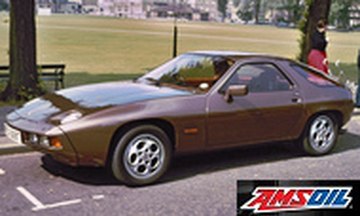
Maintaining Lubrication Integrity for the 1981 Porsche 928 4.5L
Proper engine care for a high-performance vehicle like the 1981 Porsche 928 requires a disciplined approach to fluid management and mechanical inspection. Because this vehicle utilizes a large 4.5L engine, maintaining the correct lubrication standards is essential for long-term operational stability. Effective maintenance involves more than just periodic oil changes; it requires a comprehensive understanding of how fluids interact with aging components and how to identify subtle changes in engine behavior before they escalate into significant mechanical issues.Monitoring Fluid Condition and Consumption
One of the most effective ways to monitor the health of the 4.5L engine is through regular observation of lubricant levels and appearance. Owners should become familiar with the baseline behavior of their specific vehicle. Any unexpected change in how much oil the engine consumes between service intervals warrants a closer look. While some level of consumption can occur as engines age, a sudden increase may indicate that seals or gaskets are no longer performing as they once did. When inspecting the lubricant itself, pay attention to its color and consistency. If the oil appears excessively dark or contains visible particulates, it may suggest that the oil is breaking down due to thermal stress or that contaminants are entering the system. Similarly, if the fluid takes on a milky or cloudy appearance, this can be associated with coolant entering the lubrication system, which requires immediate investigation to identify the source of the breach.Systematic Inspection of Seals and Hoses
As vehicles age, the materials used in gaskets, seals, and various hoses can undergo changes in elasticity and integrity. For a 1981 Porsche 928, a proactive inspection strategy focuses on identifying signs of seepage or leakage. Rather than waiting for a visible drip to form on the ground, owners should perform visual checks of accessible areas around the engine block and connection points. Look for "wet" areas that may indicate slow seepage. This is often characterized by a thin film of oil or residue collecting on metal surfaces or near mating joints. Inspecting these areas can help distinguish between a minor surface seep and a more significant leak that could lead to low fluid levels. Additionally, if the vehicle is equipped with various rubber hoses for cooling or ventilation, check them for signs of hardening, cracking, or swelling. Maintaining the integrity of these secondary components is just as vital as maintaining the primary lubrication system, as they often work in tandem to manage engine temperature and internal pressures.Prioritizing Maintenance Based on Vehicle History
Effective long-term ownership involves moving away from guesswork and toward a data-driven maintenance strategy. If you are operating a 1981 Porsche 928 with an incomplete service history, the first priority should be establishing a baseline. This can be achieved by performing a comprehensive inspection of all fluids and mechanical components to determine their current state. Once a baseline is established, keep detailed records of every service performed, including the specific products used and any observations made during inspections. This documentation allows you to track trends—such as whether a specific seal is slowly weeping or if the oil consumption rate is increasing over time. When maintenance history is well-documented, it becomes much easier to distinguish between routine wear and an emerging issue that requires professional attention. Prioritize addressing active leaks or any warning signs noticed during routine checks before moving on to purely preventive tasks.Observing Potential Warning Signs
While many issues can be caught through visual inspections, some symptoms manifest through the operation of the vehicle itself. It is important to remember that a single symptom can have multiple underlying causes. For example, an unusual mechanical noise or a change in engine sound may be related to lubrication, but it could also stem from other mechanical components. If you notice any of the following, it should be investigated:- Changes in the smoothness of engine operation.
- The appearance of unusual smoke from the exhaust.
- Any unexpected warning indicators on the dashboard related to fluid levels or pressures.
- A noticeable odor that may indicate oil is contacting a hot surface.
Managing Aging Components and Electrical Integrity
Beyond the lubrication system, an older vehicle requires attention to its electrical and auxiliary systems. Inspecting wiring harnesses and electrical connectors for signs of corrosion or fraying can prevent unexpected interruptions in engine performance. If applicable, check any age-sensitive ignition components to ensure they are providing consistent service. Furthermore, if the vehicle is equipped with various drive belts, inspect them for signs of glazing, cracking, or fraying. While these belts may not be directly related to the internal lubrication of the 4.5L engine, their failure can lead to secondary issues that impact overall engine health and cooling efficiency. A holistic approach—where you look at the engine as a collection of interconnected systems—is the hallmark of high-quality maintenance for a classic vehicle like this Porsche.Practical Guidance for Buying Engine Oil for your 1981 Porsche 928 4.5L
When it is time to replenish your engine's lubricant, accuracy in selection is paramount. You should not rely on general automotive knowledge or assumptions based on the age of the vehicle to choose a product. Instead, match the engine oil to the application-specific viscosity information already displayed on this webpage. Before finalizing your purchase, follow these practical steps:- Verify that the oil meets the specific requirements and viscosity listed in the application data provided above.
- Check the product labeling carefully to ensure the grade matches your needs exactly.
- Consider whether a synthetic, synthetic-blend, or conventional formulation is appropriate based on the specific guidance for this engine.
- If you are managing an older engine with higher mileage, you may look for formulations that include seal-conditioning additives, but always prioritize the viscosity and specification requirements first.